quarta-feira, 21 de novembro de 2012

Past simple - irregular verbs
Diferentemente dos verbos regulares, que para utilizá-los no passado
simples e no particípio basta acrescentar “ed”, os verbos irregulares
possuem formas próprias para esses tempos verbais e por isso não seguem
nenhuma regra.
Segue abaixo uma lista dos verbos irregulares mais usados.
Segue abaixo uma lista dos verbos irregulares mais usados.
|
Infinitive
(infinitivo) |
Simple Past
(Passado) |
Past Participle
(Particípio) |
Translation (Tradução) |
| to arise | arose | arisen |
surgir, erguer-se |
| to awake | awoke |
awoken |
despertar |
|
to be |
was, were | been | ser, estar |
|
to bear |
bore | born | nascer |
|
to beat |
beat | beaten | bater |
|
to become |
became | become | tornar-se |
|
to begin |
began | begun | começar |
|
to bet |
bet | bet | apostar |
|
to bite |
bit | bitten | morder |
|
to bleed |
bled | bled | sangrar |
|
to blow |
blew | blown | soprar |
|
to break |
broke | broken | quebrar |
|
to bring |
brought | brought | trazer |
|
to build |
built | built | construir |
|
to burn |
burnt (burned) | burnt (burned) | queimar |
|
to buy |
bought | bought | comprar |
|
to catch |
caught | caught | caçar |
|
to choose |
chose | chosen | escolher |
|
to come |
came | come | vir |
|
to cost |
cost | cost | custar |
|
to cut |
cut | cut | cortar |
|
to dig |
dug | dug | cavar |
|
to do |
did | done | fazer |
|
to draw |
drew | drawn | desenhar |
|
to drink |
drank | drunk | beber |
|
to drive |
drove | driven | dirigir |
|
to eat |
ate | eaten | comer |
|
to fall |
fell | fallen | cair |
|
to feed |
fed | fed | dar de comer |
|
to feel |
felt | felt | sentir |
|
to fight |
fought | fought | lutar |
|
to find |
found | found | encontrar |
|
to fly |
flew | flown | voar |
|
to forbid |
forbade | forbidden | proibir |
|
to forget |
forgot | forgotten | esquecer |
|
to forgive |
forgave | forgiven | esquecer |
|
to forsake |
forsook | forsaken | abandonar |
|
to freeze |
froze | frozen | congelar |
|
to get |
got | got / gotten | receber; conseguir; obter; adquirir... |
|
to give |
gave | given | dar |
|
to go |
went | gone | ir |
|
to grow |
grew | grown | crescer |
|
to have |
had | had | ter |
|
to hear |
heard | heard | ouvir, escutar |
|
to hide |
hid | hid / hidden | esconder, ocultar |
|
to hit |
hit | hit | bater, ferir |
|
to hold |
held | held | segurar |
|
to hurt |
hurt | hurt | machucar |
|
to keep |
kept | kept | manter |
|
to know |
knew | known | saber, conhecer |
|
to lead |
led | led | conduzir, comandar |
|
to lend |
lent | lent | emprestar |
|
to lose |
lost | lost | perder |
|
to make |
made | made | fazer, criar |
|
to meet |
met | met | encontrar |
|
to pay |
paid | paid | pagar |
|
to put |
put | put | colocar |
|
to read |
read | read | ler |
|
to ride |
rode | ridden | andar, passear |
|
to ring |
rang | rung | tocar (sino, campainha) |
|
to rise |
rose | risen | levantar, erguer |
|
to run |
ran | run | correr |
|
to say |
said | said | dizer |
|
to see |
saw | seen | ver |
|
to sell |
sold | sold | vender |
|
to send |
sent | sent | enviar |
|
to shut |
shut | shut | fechar |
|
to sleep |
slept | slept | dormir |
|
to speak |
spoke | spoken | falar, dizer |
|
to swim |
swam | swum | nadar |
|
to take |
took | taken | pegar |
|
to teach |
taught | taught | ensinar |
|
to tell |
told | told | dizer |
|
to think |
thought | thought | pensar, acreditar |
|
to throw |
threw | thrown | jogar, arremessar |
|
to win |
won | won | ganhar |
|
to write |
wrote | written | escrever |
Apesar de a escrita ser a mesma, o
passado do verbo “to read” possui uma pronúncia diferente. Enquanto no
presente lê-se /riid/, no passado lê-se /réad/.
Past simple - regulat verbs
Verbos Regulares - Regular Verbs
Primeiramente iremos estudar o Passado Simples dos verbos regulares que, de um modo geral, é formado acrescentando -d ou -ed ao infinitivo dos verbos. Observe a tabela abaixo:
- FORMA AFIRMATIVA:
|
I
|
worked yesterday
|
|
You
|
worked yesterday
|
|
He
|
worked yesterday
|
|
She
|
worked yesterday
|
|
It
|
worked yesterday
|
|
We
|
worked yesterday
|
|
You
|
worked yesterday
|
|
They
|
worked yesterday
|
- PARTICULARIDADES DA ORTOGRAFIA DO SIMPLE PAST:
1. Os verbos terminados em e recebem apenas a letra -d ao infinitivo do verbo. Veja alguns exemplos abaixo:
hope - hoped
change - changed
like - liked
behave - behaved
lie - lied
live - lived
love - loved
arrive - arrived
invite - invited
snore - snored
-ed:2. Se o verbo tiver uma única sílaba ou terminar em sílaba tônica formada por consoante/vogal/consoante, dobra-se a última consoante e acrescenta-se
stop - stopped
permit - permitted
occur - occurred
rob - robbed
admit - admitted
prefer - preferred
omit - omitted
control - controlled
drop - dropped
plan - planned
shop - shopped
3. Os verbos terminados em y precedido de consoante trocam o y por -ied:
study - studied
carry - carried
worry - worried
try - tried
hurry - hurried
cry - cried
4. Os verbos terminados em consoante/vogal/consoante cuja sílaba tônica não é a última não dobram a consoante, apenas recebem -ed:
listen - listened
develop - developed
open - opened
fasten - fastened
suffer - suffered
visit - visited
wonder - wondered
offer - offered
Prepositions of time
| at | in | on |
| PRECISE TIME | MONTHS, YEARS, CENTURIES and LONG PERIODS | DAYS and DATES |
| at 3 o'clock | in May | on Sunday |
| at 10.30am | in summer | on Tuesdays |
| at noon | in the summer | on 6 March |
| at dinnertime | in 1990 | on 25 Dec. 2010 |
| at bedtime | in the 1990s | on Christmas Day |
| at sunrise | in the next century | on Independence Day |
| at sunset | in the Ice Age | on my birthday |
| at the moment | in the past/future | on New Year's Eve |

Months of the year and the seasons in USA
| Month | Short Form | Days | Season | |
| 1 | January | Jan. | 31 | Winter |
| 2 | February | Feb. | 28/29 | |
| 3 | March | Mar. | 31 | Spring |
| 4 | April | Apr. | 30 | |
| 5 | May | May | 31 | |
| 6 | June | Jun. | 30 | Summer |
| 7 | July | Jul. | 31 | |
| 8 | August | Aug. | 31 | |
| 9 | September | Sep. | 30 | Autumn |
| 10 | October | Oct. | 31 | |
| 11 | November | Nov. | 30 | |
| 12 | December | Dec. | 31 | Winter |
Giving directions
Word List
- Asking for and Giving Directions
- How do I get to …?
- What's the best way to …?
- Where is …?
- Go straight on (until you come to …).
- Turn back./Go back.
- Turn left/right (into …-street).
- Go along …
- Cross …
- Take the first/second road on the left/right
- It's on the left/right.
- straight
![[streIt]](http://www.ego4u.com/images/ipa/1633c77d52f0846c023ffeb931d4565d.png "IPA - phonetic transcription") on
on - opposite
![['Qp@zIt]](http://www.ego4u.com/images/ipa/622507405dd5f57608b3d78da8f62b57.png "IPA - phonetic transcription")
- near
![[nI@]](http://www.ego4u.com/images/ipa/e5bb8236cab3885ef574f6e56e625cb4.png "IPA - phonetic transcription")
- next to
- between
![[bI'twi:n]](http://www.ego4u.com/images/ipa/b8218cbd2060ca4477a742b0dc7a5a7b.png "IPA - phonetic transcription")
- at the end (of)
- on/at the corner
- behind
![[bI'hVInd]](http://www.ego4u.com/images/ipa/d795d6263ea815240c2eb3e4a5f3923a.png "IPA - phonetic transcription")
- in front of
- (just) around the corner
- traffic lights
- crossroads, junction
![[dZVN(k)S(@)n]](http://www.ego4u.com/images/ipa/6bd77483e733ea501a05b608002c70d7.png "IPA - phonetic transcription")
- signpost
![['sVInp@Ust]](http://www.ego4u.com/images/ipa/e260c03fa4a9a1cbbcc2df53dc2d16d4.png "IPA - phonetic transcription")
a/an - Arigos Indefinidos
- a e an são os artigos indefinidos no inglês, e correspondem ao um (ou uma) no português. Não há diferença nenhuma entre a e an quanto a significado. Veja:
A bear is an animal. Um urso é um animal.
I’m a Brazilian actor. Eu sou um ator brasileiro.
He’s an architect from Mexico. Ele é um arquiteto do México.
- Os substantivos em inglês não tem feminino ou masculino, portanto a e an são usados à frente de qualquer substantivo. A diferença entre eles é que an é usado à frente de palavras que começam com som de vogal. Veja exemplos:
an animal
a machine
a machine
an hour
a day
a day
an engineer
a doctor
a doctor
an architect
a student
a student
- Quando dizemos “uma casa antiga” ou “um ator famoso” em inglês, devemos lembrar que o adjetivo virá sempre à frente do substantivo. Por exemplo, não dizemos a house old para “uma casa antiga”, ou an actor famous para “uma ator famoso”. Dizemos an old house e a famous actor – assim, a e an são usados à frente dos adjetivos. Veja como fica:
a house —> an old house [uma casa antiga]
an actor —> a famous actor [um ator famoso]
a girl —> a tall girl [uma garota alta]
a teacher —> an intelligent teacher [um(a) professor(a) inteligente]
- Atenção: apesar das letras Y e W soarem como vogais para nós, usa-se a (e não an) à frente de palavras que começam com essas letras. Veja estes exemplos:
a woman —> a young woman
a year —> an excellent year
an architect —> a wonderful architect
- Com palavras que começam com o som European, university, ukelele, etc., usamos a, e não an.
a European woman —> an old European woman
a university —> an excellent university
- Uma observação final: em português, não usamos muito um e uma para falar da profissão de alguém. Dizemos apenas “Eu sou professora” ou “A Maria é advogada”. Já no inglês, a e an sempre precedem a profissão de uma pessoa (como se estivéssemos dizendo “Eu sou uma professora” ou “A Maria é uma advogada”).
Eu sou professora. I’m a teacher.
A Maria é advogada. Maria is a lawyer.
Ele é arquiteto. He’s an architect.


quarta-feira, 3 de outubro de 2012
Furniture

2 - Fireplace
3 - Mirror
4 - Office Chair
5 - Bookcase
6 - Desk
8 - Computer
9 - Fridge
10 - Warmer
11- Stove
12 - Armchair
13 - Microwave oven
14 - Chair
15 - Door
My favorite place im the house


My dream house


Exercises about prepositions

2- On
3 - In front of
4 - Behind
5 - Below
6 - Under
7 - Near
8 - Next to
9 - Opposite
10 - Among
11- Between
12 - Above

Describing my family
My family is so funny !!!!! My mather is so lovely and reserved ; my father has died , he was very important im my life ; he was an excellent and popular teacher ; my sons are so talkative and I love their so much . My grandmother Aurea live near to my house and she is a great-grandmother very attentive . My grandparents Moises , Olyntho and Maria also have died , my uncles and my aunties live far from here but in the birthday's family we enjoyed very much together .

quarta-feira, 26 de setembro de 2012
Possessive Adjectives
| Pessoas | Possessive Adjectives |
Possessive Pronouns |
Tradução |
| I | My | Mine | Meu(s), minha(s) |
| You | Your | Yours | Teu(s), tua(s), seu(s), sua(s), de você |
| He | His | His | Dele(s), seu(s), sua(s) |
| She | Her | Hers | Dela(s), seu(s), sua(s) |
| It | Its | Its | Dele(s), dela(s), seu(s), sua(s) |
| We | Our | Ours | Nosso(s), nossa(s) |
| You | Your | Yours | Vosso(s), vossa(s), seu(s), sua(s), de vocês |
| They | Their | Theirs | Dele(s), dela(s), seu(s), sua(s) |
segunda-feira, 24 de setembro de 2012

Wh questions
| Question Word | Function | Example |
|---|---|---|
| what | asking for information about something | What is your name? |
| asking for repetition or confirmation | What? I can't hear you. You did what? |
|
| what...for | asking for a reason, asking why | What did you do that for? |
| when | asking about time | When did he leave? |
| where | asking in or at what place or position | Where do they live? |
| which | asking about choice | Which colour do you want? |
| who | asking what or which person or people (subject) | Who opened the door? |
| whom | asking what or which person or people (object) | Whom did you see? |
| whose | asking about ownership | Whose are these keys? Whose turn is it? |
| why | asking for reason, asking what...for | Why do you say that? |
| why don't | making a suggestion | Why don't I help you? |
| how | asking about manner | How does this work? |
| asking about condition or quality | How was your exam? | |
| how + adj/adv | asking about extent or degree | see examples below |
| how far | distance | How far is Pattaya from Bangkok? |
| how long | length (time or space) | How long will it take? |
| how many | quantity (countable) | How many cars are there? |
| how much | quantity (uncountable) | How much money do you have? |
| how old | age | How old are you? |
| how come (informal) | asking for reason, asking why | How come I can't see her? |
My Routine
I usually wake up at 5:30 a.m. After I go to the bathroom to brush my teeth and comb my hair and after I have breakfast. Then I go to the university by bus . The classes usually start at 8:00 a.m. and finish at 11:20; Once I come back from university, I always have lunch with my mon at 14:30 p.m. In the afternoon I like to relax for some time, I watch television, and sometime get a little snack with my sons. After I do some household and my homework. Then I take a shower and I go to computer. I have dinner with my family at 9:00 p.m. and go to bed later around 10:00 o'clock.
Short Answers
| SIMPLE PRESENT = Do/Does + Sujeito + Verbo+ … ? VERB TO BE= Verbo BE + Sujeito + … ? | ||
|---|---|---|
segunda-feira, 17 de setembro de 2012

Present simple
Modelo de conjugação do verbo to work no simple present em inglês
| ||
Positive |
Negative
|
Interrogative
|
|
I work
|
I don’t work
|
Do I work?
|
|
You work
|
You don’t work
|
Do you work?
|
|
He works
|
He doesn’t work
|
Does he work?
|
|
She works
|
She doesn’t work
|
Does she work?
|
|
It works
|
It doesn’t work
|
Does it work?
|
|
We work
|
We don’t work
|
Do we work?
|
|
You work
|
You don’t work
|
Do you work?
|
|
They work
|
They don’t work
|
Do they work?
|
segunda-feira, 3 de setembro de 2012

Demonstrative Pronouns
Pronomes Demonstrativos (Pronomes Substantivos e Adjetivos) -
Demonstrative Pronouns and Demonstrative Adjectives
(Estes são os teus cadernos.) (pronome demonstrativo substantivo)
These copybooks are new. (demonstrative adjective)
(Estes cadernos são novos.) (pronome demonstrativo adjetivo)
(Aquela é a minha casa.) (pronome demonstrativo substantivo)
That house is new. (demonstrative adjective)
(Aquela casa é nova.) (pronome demonstrativo adjetivo)
(Aqueles são carros alemães.) (pronome demonstrativo substantivo)
Those cars are expensive. (demonstrative adjective)
(Aqueles carros são caros.) (pronome demonstrativo adjetivo)
Those clothes are expensive. (Aquelas roupas são caras.)
Os Demonstrative Pronouns servem para apontar, indicar e mostrar alguma coisa, lugar, pessoa ou objeto. Esses pronomes podem atuar como adjetivos, antes do substantivo, ou como pronomes substantivos. Observe mais detalhadamente os Pronomes Demonstrativos (Demonstrative Pronouns) listados abaixo:
1. THIS - ESTE, ESTA, ISTO
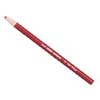
| This is my pencil. (demonstrative pronoun) (Este é o meu lápis.) (pronome demonstrativo substantivo) This pencil is red. (demonstrative adjective) (Este lápis é vermelho.) (pronome demonstrativo adjetivo) |
 |
2. THESE - ESTES, ESTAS
These are your copybooks. (demonstrative pronoun)(Estes são os teus cadernos.) (pronome demonstrativo substantivo)
These copybooks are new. (demonstrative adjective)
(Estes cadernos são novos.) (pronome demonstrativo adjetivo)
3. THAT - AQUELE, AQUELA, AQUILO, ESSE, ESSA, ISSO
That is my house. (demonstrative pronoun)(Aquela é a minha casa.) (pronome demonstrativo substantivo)
That house is new. (demonstrative adjective)
(Aquela casa é nova.) (pronome demonstrativo adjetivo)
4. THOSE - AQUELES, AQUELAS, ESSES, ESSAS
Those are German cars. (demonstrative pronoun)(Aqueles são carros alemães.) (pronome demonstrativo substantivo)
Those cars are expensive. (demonstrative adjective)
(Aqueles carros são caros.) (pronome demonstrativo adjetivo)
* Os Adjetivos, em
Inglês, não possuem gênero e número. Os Demonstrativos, com função de
adjetivo, são os únicos que concordam em número com o substantivo que
acompanham.
Por exemplo:Those clothes are expensive. (Aquelas roupas são caras.)
Possessive Pronouns
| Pronomes Possessivos Adjetivos Possessive Adjectives | Pronome Possessivos Substantivos Possessive Pronouns |
| my (meu, minha) | mine [(o) meu, (a) minha] |
| your (teu, tua, seu, sua) | yours [(o) teu, (a) tua, (o) seu, (a) sua] |
| his (dele) | his [(o)/(a) dele] |
| her (dela) | hers [(o)/(a) dela] |
| its [dele, dela (neutro)] | its [(o)/(a) dele, (o)/(a) dela (neutro)] |
| our (nosso, nossa) | ours [(o) nosso, (a) nossa] |
| your (vosso, vossa, seu, sua, de vocês) | yours [(o) vosso, (a) vossa, (o) seu, (a) sua] |
| their [deles, delas (neutro)] | theirs [(o)/(a) deles, (o)/(a) delas (neutro)] |
Pronouns
| Caso Reto (Sujeito) Subject Pronoun |
Caso Oblíquo (Objeto) Object Pronoun |
| I (eu) | me (me, mim) |
| you (tu, você) | you (lhe, o, a, te, ti, a você) |
| he (ele) | him (lhe, o, a ele) |
| she (ela) | her (lhe, a, a ela) |
| it (ele, ela [neutro]) | it (lhe, o, a) |
| we (nós) | us (nos) |
| you (vocês, vós) | you (vos, lhes, a vocês) |
| they (eles, elas) | them (lhes, os, as) |
My Paragraph
My name is Lya Araujo , I am 28 years old ; I'm from Rio de Janeiro and I live in Magé my address and 1500 , Helena street ; my favorite color is blue ; my birthday is on august 26th and I'm studying English because it
is very interesting.
Phonetics
Choose 5 words and write how
we can pronounce them.
Financial - /faɪˈnænʃəl/
Daughter - /ˈdɔ·t̬ər/
Subsidiary - /səbˈsɪdiəri/
Basic - /ˈbeɪ·sɪk/
Because - /bɪˈkɔz/
The colors
Cores em Inglês |
|---|
Amaranth
|
||
Amber
|
||
Aquamarine
|
||
Azure
|
||
Beige
|
||
Black
|
||
Blue
|
||
Blue-green
|
||
Blue-violet
|
||
Brown
|
||
Byzantium
|
||
Carmine
|
||
Cerise
|
||
Cerulean
|
||
Champagne
|
||
Chartreuse green
|
||
Coral
|
||
Crimson
|
||
Cyan
|
||
Electric blue
|
||
Erin
|
||
Gold
|
||
Gray
|
||
Green
|
||
Harlequin
|
||
Indigo
|
||
Ivory
|
||
Jade
|
||
Lavender
|
||
Lilac
|
||
Lime
|
||
Magenta
|
||
Magenta rose
|
||
Maroon
|
||
Mauve
|
||
Navy blue
|
||
Olive
|
||
Orange
|
||
Orange-red
|
||
Peach
|
||
Persian blue
|
||
Pink
|
||
Plum
|
||
Prussian blue
|
||
Pumpkin
|
||
Purple
|
||
Raspberry
|
||
Red
|
||
Red-violet
|
||
Rose
|
||
Salmon
|
||
Scarlet
|
||
Silver
|
||
Slate gray
|
||
Spring green
|
||
Taupe
|
||
Teal
|
||
Turquoise
|
||
Violet
|
||
Viridian
|
||
White
|
||
Yellow
|
Assinar:
Postagens (Atom)